Hello, it’s a great day to start a project.
Intentional practice is a language, an approach, and a set of methods rooted in mindfulness, enabling the design, adaptation, and implementation of high-impact, wellness-focused solutions from the big picture to the lived experience.

Text: Marie Charles Pelletier
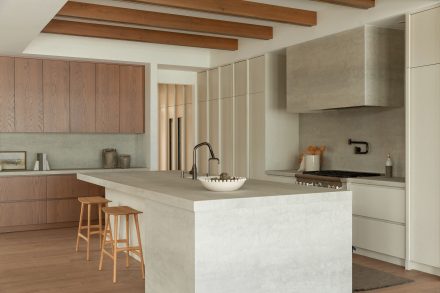
Slow living is often associated with a visual grammar: muted tones, raw materials, clean lines, natural light.
Yet this more intentional approach to design isn’t simply about controlled aesthetics. Rather, it embodies a way of living, of inhabiting space. It reflects a collective desire to slow down, cultivate presence, and move through daily life at a more human pace. The home is often the first place where this intention can take shape: by organizing it to support what truly matters.
In The Kinfolk Home, Nathan Williams reminds us that “the slow approach to crafting a home is subjective to each dweller’s aspirations, but it always finds its foundation in our deepest values.”
In other words, an interior becomes soothing when it aligns with our priorities. A home designed for slowing down becomes an intimate expression of what truly matters—the people we love, shared moments, rest, creativity, and balance.

This is precisely what intentional design proposes: to think of space not as a showcase, but as an invisible support for the present moment. Applied to interior design, it invites us to shift our perspective: to see the home not merely as an aesthetic shell, but as a catalyst for balance. A space capable of supporting presence, connection, and tranquility—even in the most ordinary gestures.
What if space, too, could become a practice? A silent tool shaped by what we choose to focus on and which, in turn, reminds us to live better.
Our homes influence how we move around, how we settle down, and how we connect.
Spatial configuration directly impacts the quality of human interaction. It can encourage encounters, make conversation feel natural, or, conversely, create subtle frictions that isolate us, without us even realizing it.


Open spaces, for example, foster spontaneous interactions.
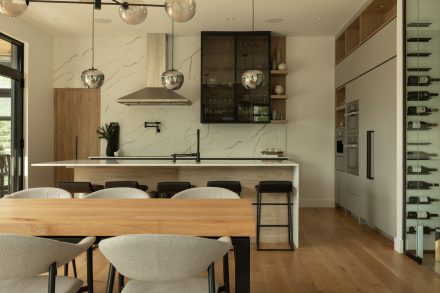
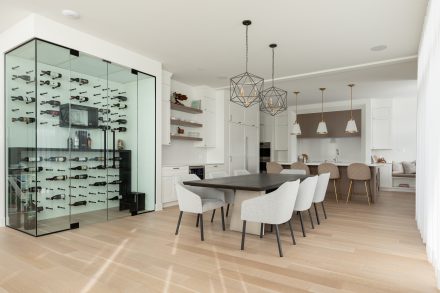
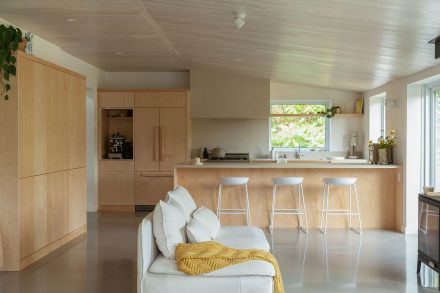
A kitchen open to the dining room or living room transforms the dynamics of daily life: we prepare a meal while chatting, write a grocery list while a child draws nearby, or simply share a quiet presence without having to plan the moment.
In these open-plan spaces, collective life unfolds naturally. It emerges in the in-between moments, in transitions, in the coexistence of our individual activities.


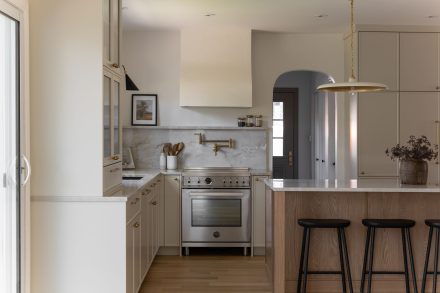
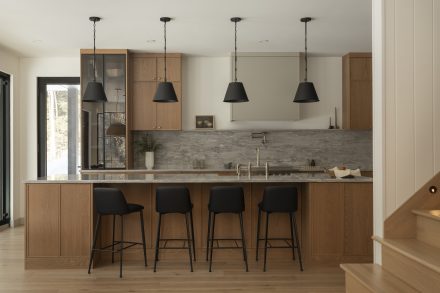
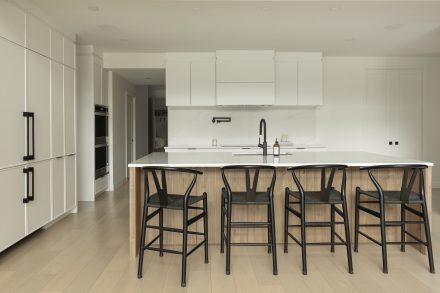
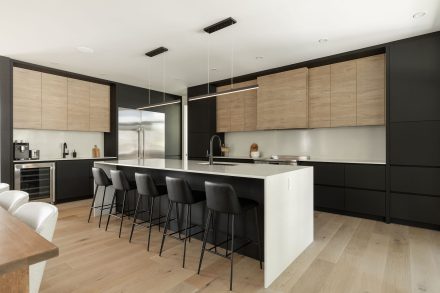
At the heart of this domestic choreography, the island transcends its functional role and becomes an anchor point, bringing together morning coffee, homework before dinner, or late-night conversations.
This shared space intuitively becomes a place where people gather, linger, and stay a little longer.
Yet fostering connection doesn’t mean removing all boundaries. On the contrary, even as spaces open up, distinctions remain essential.
The concept of boundary management—the intentional separation between spheres of life—reminds us of the importance of clearly distinguishing areas for work and rest. Even in a small apartment, thresholds can be created: a defined office nook, an alcove, or a closed door.
In the absence of physical partitions, changes in materials, light, or orientation can shape the experience just as effectively, as can simple rituals such as putting away a computer, repositioning a chair, or switching off a lamp.
These gestures signal to the body a transition from activity to rest, from performance to a state of calm.

In this context, the kitchen and dining room are no longer merely functional spaces, but relational ones. This trend was also highlighted by Ateliers Jacob’s 2026 outlook, which underscores the growing importance of these spaces as the true heart of communal life.
A cluttered interior constantly demands our attention and energy.
Visual overload increases cognitive load: too many objects, too many stimuli, too many elements that need to be processed, organized, or managed. The result is mental fatigue and increased irritability.

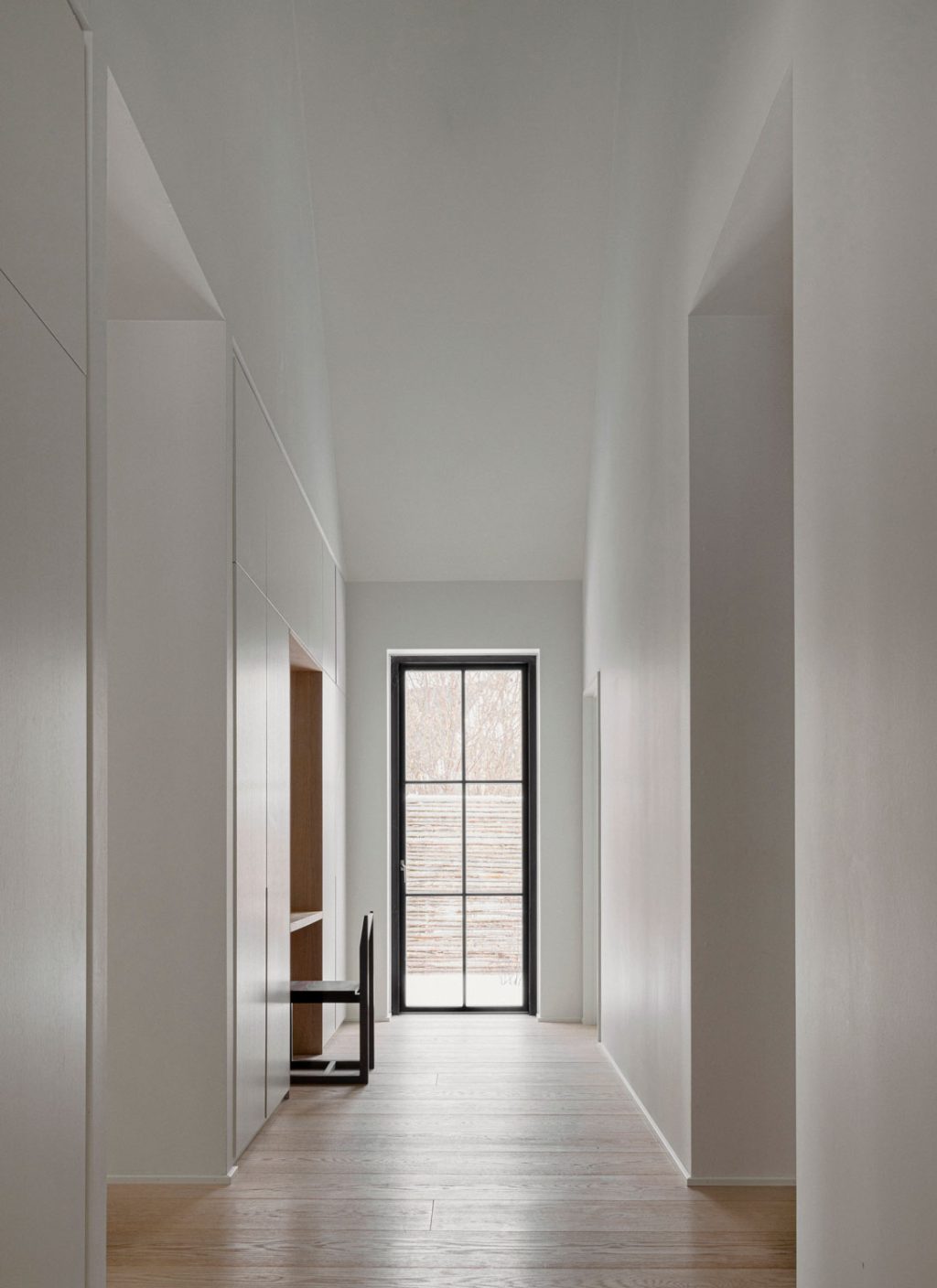
In an intentionally designed home, simplicity is a deliberate choice. Working with less, but better, becomes a guiding principle.
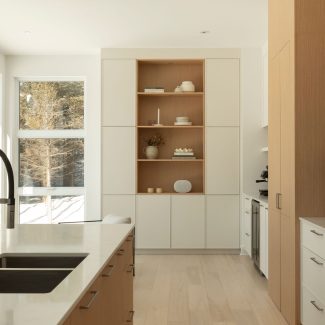
Defining clear zones, prioritizing functions, and favouring natural materials and soothing colours that calm the eye and mind all contribute to lightening the mental weight of daily life.


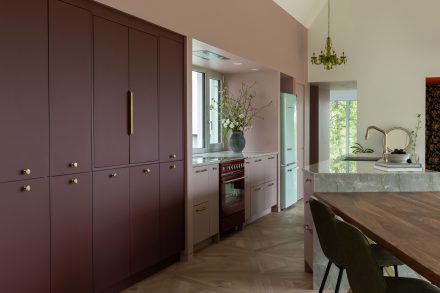
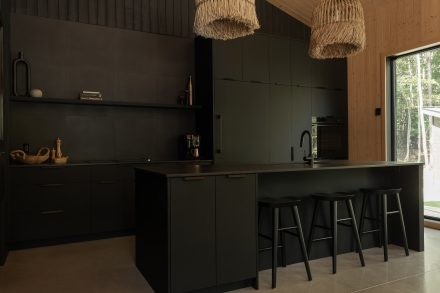
Current trends reflect this approach, notably the Japanese or Scandinavian kitchen, as well as the concealed kitchen where appliances, storage, and sometimes even work surfaces recede to create a more open and breathable space.
Similarly, designing the bathroom as a sanctuary, transforming bathing into a ritual rather than a routine, reflects the same search for balance and restoration.


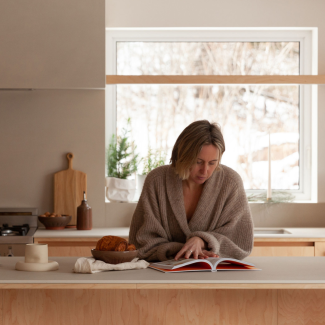
Presence is also cultivated through the objects we choose to keep visible. Cookbooks on the counter, ceramic bowls on a shelf, or a throw blanket on the sofa become emotional anchors that reconnect us with ourselves.
The home becomes a place that reflects not only what we do, but who we are.


Our environment directly influences our ability to act. A guitar placed within reach makes playing more likely. An unrolled yoga mat encourages movement. A clear table invites writing. Visible objects become reminders of intention.


As Kinfolk writes, “The key of all these spaces’ hearts is that their aesthetics are shaped by their dwellers’ definitions of what brings joy and meaning to their homes.” An intentional home naturally fosters a sense of belonging.
Creating spaces dedicated to meaningful activities—cooking, reading, entertaining, resting, creating—is a way of affirming importance. This simple acknowledgment subtly transforms the way we move through our days.


Making your home more intentional isn’t about following rules or chasing trends, but about shaping an environment aligned with the lifestyle you want to cultivate, the intentions you want to honour, and the relationships you want to nurture.
Slow living isn’t a style, but a mindset. And sometimes, it takes very little to restore balance: smoother flow, greater spacial clarity, a dedicated area for creativity or relaxation, or an object that brings us back to what truly matters.
Because a well-designed home never seeks to impress others, but to support those who live within it.